

The Silent Signs Your Water Heater Is About to Fail
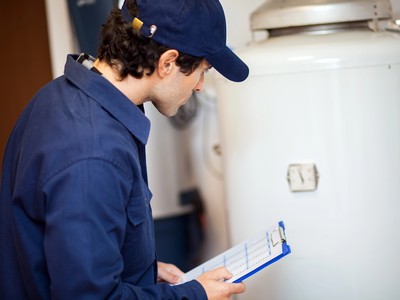
If you own a home in New Jersey, your water heater works hard through long winters and humid summers. When it begins to fail, the clues often start small. In this guide, you will learn the quiet warnings a New Jersey water heater gives off before it quits, so you can protect your floors, your belongings, and your peace of mind. If an inspection confirms trouble, our team can match you with the right water heater equipment for your home and schedule a seamless replacement.
From older homes in Jersey City and Newark to newer builds in Monmouth and Middlesex County, conditions like hard water, cold crawlspaces, and tight utility closets can speed up wear. If any of the signs below sound familiar, call 973-882-7733 to talk with Water Heaters NJ CJ before a minor nuisance turns into a major mess.
Why Failures Sneak Up On New Jersey Homes
Many New Jersey water heaters live in basements or garages where problems are easy to miss. Seasonal temperature swings, road-salt air near the Shore, and higher mineral content in certain neighborhoods can all chip away at a tank from the inside.
- Cold snaps increase expansion and contraction, which can stress fittings and seals.
- Mineral buildup settles at the bottom of the tank, making it work hotter and louder.
- Moist basements invite rust on the tank body and connections.
- Tight closets restrict airflow for gas units and trap heat around electric units.
Common Red Flags From Your New Jersey Water Heater
Most breakdowns are preceded by subtle hints. Catching these early gives you options and helps you plan a stress-free changeout.
- Muffled rumbling or popping that gets louder week by week
- Rust-tinted hot water, especially after the unit sits overnight
- Hot water that runs out faster than it used to or swings from hot to lukewarm
- Moisture or a small puddle near the base of the tank
- Frequent pilot light issues or burner cycling on gas models
- Breaker trips or element resets on electric units
- A musty, metallic smell near the heater
What Those Signs Usually Mean
Growing Noise From Inside The Tank
Rumbling and popping often point to sediment baked onto the bottom of the tank. That layer makes the burner or elements work harder, which can overheat metal and accelerate wear. If the sounds arrive alongside longer heat-up times, the tank could be nearing the end of its service life.
Discolored Hot Water
Rust-tinted hot water usually comes from corrosion inside the tank. In older units, the sacrificial anode may have worn away. If discoloration shows up only on the hot side and never on the cold, the tank is the likely source. Persistent rust is a sign to evaluate replacement before leaks escalate.
Temperature Swings And Short Showers
When hot water runs out faster than it used to, the tank may be losing capacity due to sediment or failing elements. Thermostats and sensors can drift with age too. In homes with long pipe runs, a tank working harder to keep up will show inconsistent water temperature at distant baths first.
Moisture Or A Small Puddle
Water on the floor is often the clearest warning. It can come from a seeping drain valve, a pinhole in the tank, or condensation that appears during cold snaps. Any active leak near a gas burner or electrical elements is a safety risk. Do not ignore active leaks even if the puddle dries up between showers.
Pilot Light, Burner, Or Electrical Issues
Intermittent pilot outages, burner misfires, or frequent breaker trips hint at components that are wearing out. These can also reflect airflow problems in tight closets or corroded electrical connections in damp basements. Either way, these issues tend to repeat more often as the unit ages.
Unusual Smells Or Steam
A metallic or musty odor can come from a slow leak that never quite reaches the floor. Steam near the top of the tank might indicate a failing gasket. If you notice a sulfur-like gas odor, treat it seriously. If you smell gas, leave the home and call your utility before you do anything else.
How Old Is Too Old?
Age matters. Many tank-style water heaters serve reliably for several years, but their lifespan shortens when sediment, hard water, or heavy use are part of the picture. Homes near the coast or in older neighborhoods with galvanized piping often see earlier wear than average. Age and hard water shorten lifespan, so if your unit is approaching the typical range for replacement and showing any red flags, planning ahead is wise.
Not sure how old your unit is? The serial number on the rating plate usually encodes the manufacture date. A technician can read it quickly during a safety check and help you weigh options before trouble strikes.
Silent Risks You Can’t See
Many problems stay hidden until damage is done. A slow leak can wick under vinyl flooring, feed mold in a finished basement, or corrode a nearby furnace cabinet. Overheating from heavy sediment can stress the tank shell. The temperature and pressure relief valve protects against dangerous pressure, but it is not meant to run often. Water above 140°F can scald in seconds, so err on the side of caution if you notice overheating or valve discharge.
What To Do When You Spot A Warning Sign
Turn off the water supply at the cold inlet if a leak is active and keep people away from the area. Do not attempt repairs on gas or electrical components. Call a licensed pro who can test components, verify the source of the issue, and outline next steps. For guidance on what to expect during service and replacement, skim our latest water heater tips before your appointment.
If your technician confirms end-of-life, a right-sized upgrade can improve recovery time and reduce energy waste. Our team at Water Heaters NJ CJ installs standard and high-efficiency models and will handle the code requirements and haul-away. When outcomes point to replacement, we help you compare options and schedule the work. If you are ready to plan, browse the available water heater equipment and note the models that fit your family’s routine.
Local Factors That Speed Up Wear
Here are a few common patterns we see from North Jersey to the Shore:
- Frequent guests or multi-shower mornings increase demand and shorten recovery time.
- Basement air that stays damp after storms promotes corrosion on fittings.
- Road-salt air along coastal routes can accelerate rust on exterior components.
- Long pipe runs in townhomes make the heater cycle more often to keep up.
These do not guarantee failure, but they do make routine checks more important. A quick wellness visit catches issues before they affect the rest of the system.
Why Choose Water Heaters NJ CJ In New Jersey
Homeowners call us because we pair clear communication with careful work. We arrive prepared, protect your floors, and treat your schedule with respect. If your unit is aging or acting up, our licensed team will evaluate it and give you straightforward options with no pressure.
Need fast help from a trusted New Jersey water heater provider? We serve neighborhoods across the region and back our workmanship with a strong local reputation. Talk with a specialist today at 973-882-7733 and get a plan that fits your home.
Act Before A Drip Becomes A Disaster
A failing unit rarely gets better on its own. Planning now avoids surprise cold showers, soaked carpets, and stress on your HVAC equipment. If your tank is noisy, leaking, or running out of hot water faster than it used to, schedule professional service and consider a proactive upgrade. When the time is right, our team can handle permits, delivery, installation, and haul-away in one coordinated visit.
Take the next step with Water Heaters NJ CJ. If replacement makes sense, schedule your water heater installation and get peace of mind before the next cold snap in New Jersey.